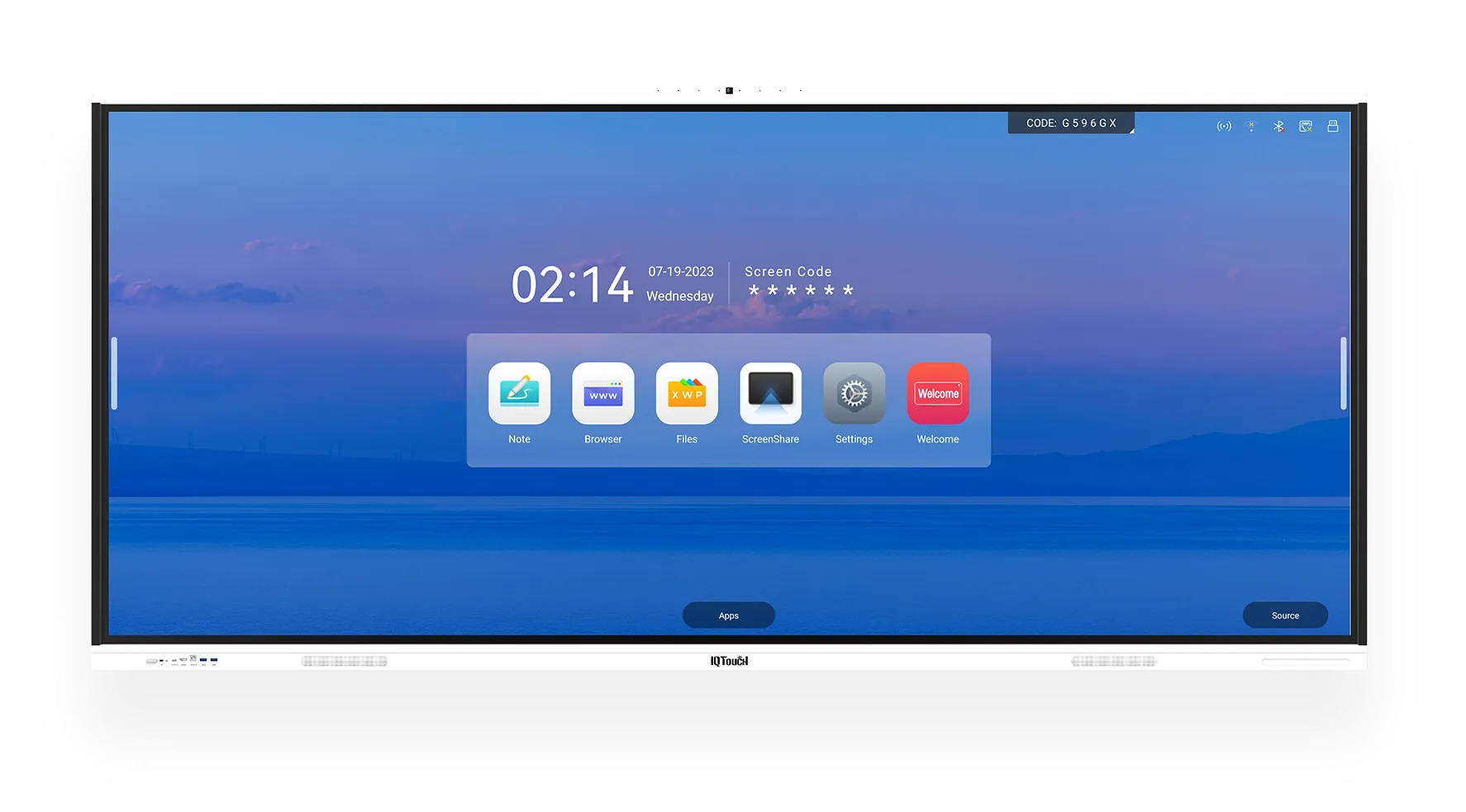
Wireless screen mirroring is an advanced technology that allows users to share content from one device to another without using physical cables. It enables seamless transmission of screens from smartphones, laptops, tablets, or computers to larger displays such as smart TVs, projectors, and interactive panels. Wireless screen mirroring has become an essential tool in modern classrooms, corporate meeting rooms, training centers, and home entertainment systems where real-time content sharing is required.
The growing demand for flexible and cable-free communication solutions has made wireless screen mirroring a key component of digital transformation. Whether it is for business presentations, online education, or entertainment streaming, wireless screen mirroring provides a smooth and efficient way to display content on larger screens. This technology enhances collaboration, improves productivity, and eliminates the limitations of traditional wired connections.
Can Wireless Screen Mirroring Improve Productivity in Education and Business Environments
Wireless screen mirroring significantly improves productivity in both educational and corporate environments by simplifying content sharing and enhancing communication. In modern classrooms, teachers use wireless screen mirroring to display lessons, videos, presentations, and educational applications directly from their devices to interactive screens. This creates a more engaging learning environment and helps students understand complex topics more easily.
A wireless screen mirroring system allows educators to move freely within the classroom without being restricted by cables or stationary devices. This flexibility improves teaching efficiency and encourages more interactive participation from students. In smart classrooms, wireless screen mirroring is often combined with interactive whiteboards and digital displays to create a complete learning ecosystem.
In corporate settings, wireless screen mirroring plays a crucial role in improving meeting efficiency and collaboration. Employees can instantly share presentations, spreadsheets, and reports from their devices to conference room displays without setup delays. This makes meetings smoother, faster, and more productive. Wireless screen mirroring also supports hybrid work environments where remote participants can join meetings and share content in real time.
Training sessions and workshops also benefit from wireless screen mirroring technology. Trainers can display live demonstrations, instructional videos, and digital content directly from their devices, making sessions more interactive and engaging. This improves knowledge retention and ensures better understanding among participants.
In the entertainment industry, wireless screen mirroring is widely used for streaming videos, playing games, and sharing media content on larger screens. Home users can easily connect their devices to smart TVs or projectors without needing cables or additional hardware. This enhances the overall viewing experience and provides greater convenience.
Which Wireless Screen Mirroring Technologies Deliver Better Performance and Connectivity
Modern wireless screen mirroring technologies come in various formats, each designed to offer better performance, speed, and compatibility. One of the most commonly used technologies is Wi-Fi-based screen mirroring, which allows devices to connect through a shared wireless network. This method provides stable connectivity and supports high-definition content streaming.
Another widely used technology in wireless screen mirroring is Miracast, which enables direct device-to-display connections without requiring an internet connection. This makes it ideal for environments where secure and offline presentations are needed. Miracast is commonly supported by Windows devices and many smart displays, making it a popular choice for business users.
Apple AirPlay is another powerful wireless screen mirroring technology designed for Apple devices. It allows seamless content sharing between iPhones, iPads, and MacBooks to Apple TVs and compatible displays. AirPlay is known for its smooth performance, high-quality video transmission, and easy integration within the Apple ecosystem.
Google Cast is also widely used for wireless screen mirroring, especially in Android-based environments. It enables users to stream content from smartphones, tablets, and Chrome browsers to Chromecast-enabled devices. This technology is popular for both personal and professional use due to its simplicity and reliability.
Modern wireless screen mirroring systems also support advanced features such as multi-device connectivity, low-latency streaming, and high-resolution output. These features ensure that content is displayed without lag or quality loss, even during real-time presentations or video playback.
Cloud integration and software-based screen mirroring solutions are also becoming increasingly popular. These systems allow users to connect devices remotely and share screens over the internet. This is especially useful for virtual meetings, online education, and global collaboration where physical proximity is not possible.
Security is another important aspect of wireless screen mirroring technology. Modern systems include encryption protocols and authentication features to ensure that only authorized devices can connect and share content. This makes wireless screen mirroring suitable for corporate and institutional environments where data security is a priority.
Conclusion Wireless Screen Mirroring Impact on Modern Digital Communication and Connectivity Systems
Wireless screen mirroringhas become an essential technology in today’s digital world, offering a convenient and efficient way to share content across multiple devices. Its ability to eliminate cables and simplify connectivity makes it highly valuable in education, business, entertainment, and training environments.
As technology continues to evolve, wireless screen mirroring is expected to become even more advanced with improved speed, higher resolution support, and stronger security features. The integration of artificial intelligence and cloud-based systems will further enhance its performance and usability.
The Nutanix NCP-MCI-7.5 Study Guide is a comprehensive resource designed to support effective CCSE-204 exam preparation for candidates pursuing the Nutanix Certified Security Engineer certification. Aligned with the Nutanix CCSE-204 exam syllabus, the guide covers the CCSE-204 exam objectives through clear explanations, practical examples, and structured learning content. It includes CCSE-204 practice questions, a realistic CCSE-204 practice test, and a CCSE-204 mock exam to help you evaluate your knowledge, identify weak areas, and build confidence before the certification exam. You will also find CCSE-204 sample questions, a detailed CCSE-204 exam tutorial, and practical CCSE-204 exam tips to strengthen your understanding of endpoint security, threat detection, incident response, and Nutanix Falcon platform concepts.
For convenient and flexible learning, the Nutanix CCSE-204 PDF study guide allows you to study anytime and from any device. The included CCSE-204 exam roadmap provides a structured preparation plan, helping you organize your study schedule and focus on the most important certification topics. By combining comprehensive study materials with realistic practice tests and consistent revision, you can improve your readiness for the Nutanix CCSE-204 certification exam. Visit DumpsLeader to access up-to-date study resources, practice questions, and exam-focused materials designed to support your certification journey.